Aligning Editorial Schedules With Event Calendars
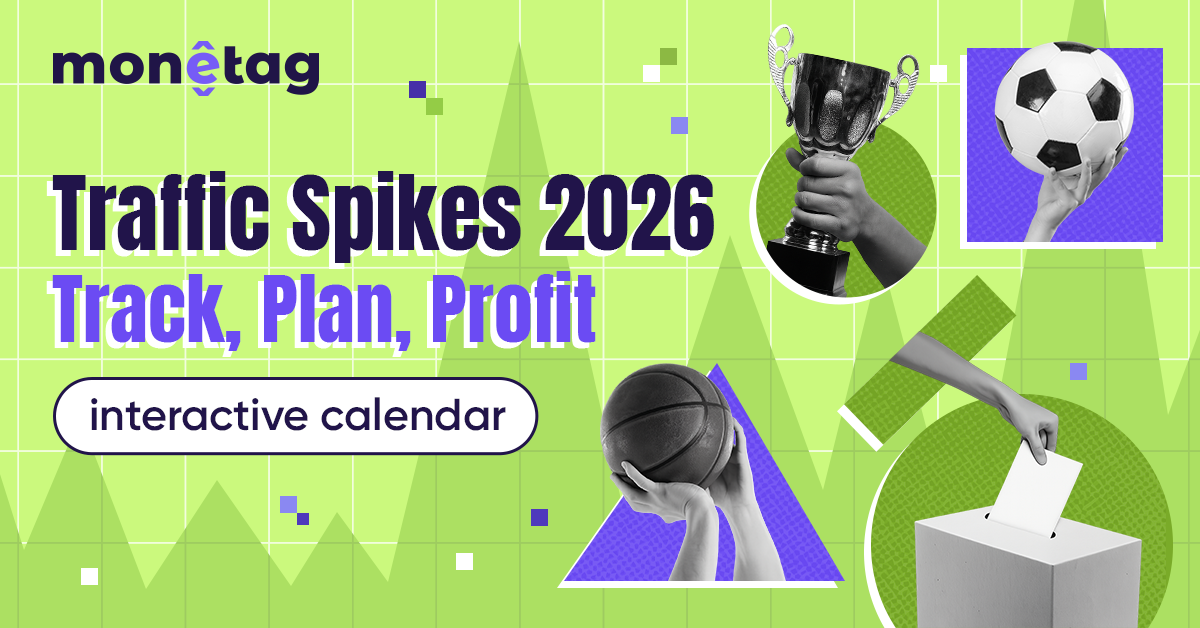
Seasonal audience interest follows distinct patterns across shopping cycles, major sports tournaments, and annual events. Monetag publishes an interactive traffic spike calendar featuring over 60 high-monetization events designed to help publishers and advertisers identify critical demand windows well in advance. Rather than reacting as an event begins, digital teams can map planned coverage several weeks beforehand, aligning their editorial workflows with anticipated surges in user intent.
Understanding exact demand windows allows media sites and monetization teams to adjust their creative assets, ad placements, and budget strategies prior to peak competition. By tracking upcoming events systematically, editorial desks avoid missed traffic windows while giving commercial teams sufficient time to organize high-value campaigns around key dates.
Implementing Media SEO and Evergreen Updates
Planning for seasonal traffic surges requires a balance between time-sensitive updates and enduring editorial foundations. Media SEO strategies highlight the value of focusing on evergreen content that can be refreshed with timely updates to sustain reader interest and capture organic search traffic long after the initial news spike subsides. Establishing relevant hub pages well ahead of an event allows search engines to index and rank foundational resources before user queries surge.
When an audience peak occurs, content teams can layer live updates, fresh data points, and focused reporting directly onto established assets. This approach captures both immediate trending queries and continuous long-tail organic discovery, ensuring that editorial efforts deliver sustained audience value across multiple phases of an event.
Technical Infrastructure and Performance Optimization
Surges in reader volume can strain site performance, making technical readiness just as crucial as editorial planning. Industry guidance recommends having web properties fully optimized at least two to three weeks before a major peak event to allow adequate time for testing and performance tuning. Publishers must ensure that visual assets use lazy loading so media files only load as readers scroll down the page, while file sizes and code assets such as CSS and JavaScript are compressed to reduce server payload.
Running simulated load testing at least two weeks ahead of an anticipated traffic surge helps teams uncover performance bottlenecks before real audiences arrive. Testing full user journeys, from initial article load through interactive forms and navigation, ensures digital platforms remain stable, fast, and fully accessible during peak audience events.